
Networking gear can get confusing fast, especially with all the talk of transceivers, interfaces, and technical standards. That’s why we’ve put together this simple guide with five short reads to help you make sense of it all. You’ll learn what MSAs are and why they matter, the real difference between optical and electrical connections, how to pick the right transceiver, what to avoid when designing a fiber optic setup, and what CMIS actually means. Whether you’re setting up a network or want to understand the tech a bit better, this guide is here to make things clearer—no jargon, just useful info.
An Easy-to-Follow Guide to Multi-Source Agreements for Modern Businesses
MSAs are the foundation of building any working network, allowing interoperability and high performance. Building a multi-source agreement requires knowledge of key fiber specifications and routing protocols.
Read More
Breaking Down Optical and Electrical Interfaces – What You Need to Know
Choosing between optical and electrical interfaces is a crucial decision when building high-performance networks. The pots, cables, and connectors are completely different, and there are pretty vital nuances in how they function and key areas in which either excel.
Read More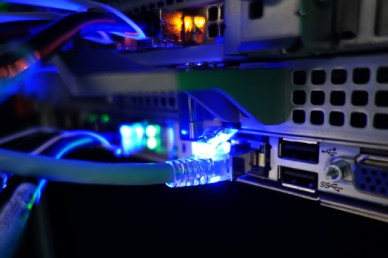
Making the Right Call on Your Network Transceiver
A compact device, transceivers act as both the transmitter and receiver of data. They convert signals into physical forms that can travel through cables or other transmission mediums.
Read More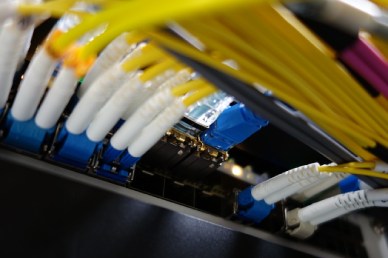
Challenges and Mistakes Often Encountered in Fiber Network Design
Designing a fiber optic network isn’t just about choosing the right transceivers or laying down kilometers of cable. The best hardware in the world won’t help if your design is flawed from the start.
Read More
The Role of CMIs in Optical Transceivers
Common Management Interfaces, or CMIs, are essential to manage and monitor optic fiber modules.
Read More
Vendor Lock-In and Transceiver Compatibility Guide
Learn how transceiver compatibility can lower network costs and reduce vendor lock-in while helping you preserve flexibility for future upgrades.
Read More